

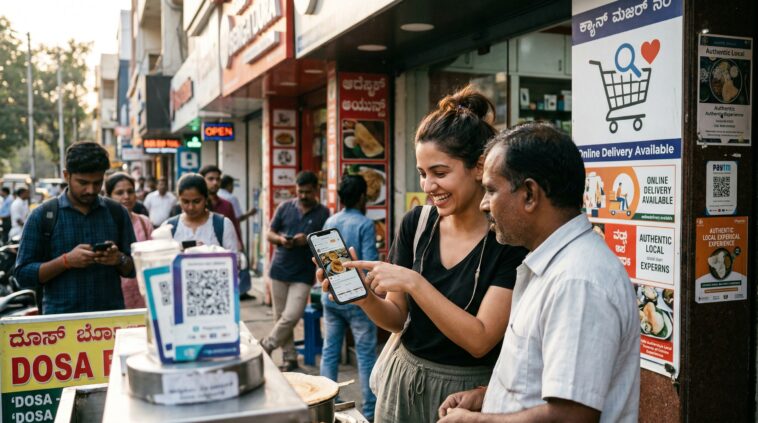
Nobody opens Instagram to browse anymore — well, some do, but not as many as you think. A growing number of people open these apps specifically to search. For products. For tutorials. For honest answers from real humans instead of Google’s algorithm. That’s a massive shift, and it’s reshaping social media trends 2026 in ways brands are only starting to grasp.
The scroll is dying. Discovery is ascending. Here’s what’s actually happening under the surface.
Social Search Is Eating Google’s Lunch
Here’s a stat that should make every SEO strategist sweat: nearly one in three consumers now starts their search on TikTok, Instagram, or YouTube instead of Google. Among Gen Z, that number jumps to 41%. That’s not a trend — it’s a structural shift. When was the last time you Googled a product review before checking Reddit or TikTok first?
Why People Prefer Social Search
Social search feels more trustworthy. You’re reading opinions from real people, not optimized content designed to rank. A TikTok demo from a random user often beats a polished brand page because it’s honest about flaws. Search engines are learning from this, but slowly — and meanwhile, social platforms are building AI-powered search features that summarize content on the fly.
What This Means for Content Creators
Every post is now a searchable asset. Captions matter more than ever. Keywords should appear naturally in your writing — not stuffed, but present. The creators winning right now think like librarians: if someone searched for this topic tomorrow, would your content show up? Optimize for discovery, not just engagement.
Commerce Gets Seamlessly Woven Into the Feed
Buying stuff on social used to mean clicking a link and opening a new tab. Now you never leave the app. TikTok Shop, Instagram Checkout, and Pinterest Shopping let users go from discovery to purchase in seconds. The friction is gone. And brands that understand this are seeing conversion rates that would’ve seemed impossible three years ago.
The Soft Sell Is the Only Sell
Nobody wants to feel marketed at. The brands winning on social commerce aren’t running TV-ad-style interruptions in your feed. They’re showing you products in context — a creator demonstrating how a skincare product feels, a real kitchen using a gadget in a real recipe. It’s advertising that doesn’t announce itself as advertising. That’s the trick.
Micro-Influencers Are Outperforming Celebrities
About 75% of marketing agencies say smaller creators with niche audiences are delivering better ROI than mega-influencers or celebrity partnerships. The math makes sense: a nano-influencer with 5,000 genuinely engaged followers beats a celebrity with 5 million passive ones. Authenticity scales differently now. It’s about resonance, not reach.
Community Over Audience: The Quiet Revolution
Public feeds are getting noisier. Private spaces are getting louder. Instagram Broadcast Channels, Substack communities, Discord servers — people are gravitating toward smaller, more intentional spaces where they actually know who’s talking. The brands that get this are building homes on these platforms, not just broadcasting into the void.
Why Community Management Is Now Non-Negotiable
Here’s the uncomfortable number: roughly 75% of social users expect a brand to reply within 24 hours. If you don’t, more than half will just buy from a competitor. Not responding isn’t neutral — it’s a negative signal. Community management isn’t a nice-to-have anymore. It’s a revenue driver.
The Shift From Broadcast to Dialogue
The old social media playbook was: publish content, rack up likes, move on. The new playbook is: start conversations, respond to comments, build recurring series that make people feel like insiders. Serialized content — think YouTube series or ongoing TikTok storylines — is thriving precisely because it gives people a reason to come back. You’re not watching a brand. You’re following characters.
Authenticity as a Competitive Advantage
Here’s the irony of 2026: AI makes content creation easier than ever, and audiences are more suspicious of it than ever. Sprout Social’s data shows 46% of social users aren’t comfortable with brands using AI influencers. People crave human tone, real experience, and the small imperfections that make content relatable. The brands winning are the ones that sound like actual humans.
Do You Sound Like a Robot?
If your brand’s social voice sounds like it was written by a committee and approved by legal, you’re already behind. The brands people actually follow have a distinct personality — sometimes even a little weird. Taco Bell’s social team leans into chaos. Liquid Death doesn’t take itself seriously. That distinctiveness is a feature, not a bug.
Human-Led Storytelling Wins
Square’s YouTube series features real small business owners talking about their communities. No scripts, no actors — just genuine voices discussing genuine stakes. That’s the template. Real stories, told by real people, with production values that serve the story rather than distract from it. Audiences can smell polish when it’s covering up emptiness.
What’s Actually Working in 2026
If you’re building a social strategy right now, here’s what the data and the experts agree on: post less, but more intentionally. Build content for discovery — think search optimization for your captions. Treat every comment as a relationship opportunity, not a chore. And for the love of your brand, use AI to draft and ideate, but keep your human voice in the final output.
Social media trends 2026 aren’t about chasing viral moments anymore. They’re about showing up consistently, building actual connections, and making your audience feel like they’re part of something — not just another follower number in your analytics dashboard. The brands that figure that out will be the ones still standing when the next trend reshuffles the deck.
GIPHY App Key not set. Please check settings